An investor-focused perspective for business owners and entrepreneurs
Updated September 17, 2026
The Fed has raised rates. The bigger question for precious metals is whether higher rates can contain inflation without creating new economic pressure.
On September 16, 2026, the U.S. Federal Reserve raised its benchmark interest rate by 0.25 percentage points, bringing the target range to 3.75%–4.00%. The move came as inflation remained elevated.
For business owners and entrepreneurs, this decision matters beyond the daily movement in gold and silver. Interest rates affect borrowing costs, cash-flow planning, investment decisions and the value of financial assets. For a broader view of how Prosperity Pathway works with business owners and investors, explore our Services.
My view is that the next phase for precious metals will depend on a tension between two forces: the Fed’s effort to keep inflation under control and the possibility that inflation itself remains elevated because of energy prices and broader supply pressures.
That tension could shape the outlook for gold and silver in the coming months.
Why a rate hike does not automatically mean lower gold prices
Gold does not pay interest. When interest rates rise, investors may find interest-bearing assets, such as government bonds, more attractive relative to gold.
But the relationship is not as simple as higher rates being bad for gold.
What matters is the return investors receive after accounting for inflation, commonly referred to as the real interest rate. If nominal rates rise but inflation expectations rise even faster, real yields may decline. That can make gold more attractive as a store of value.
The reverse is also true. If the Fed successfully reduces inflation while maintaining relatively high rates, real yields could rise, creating pressure on gold.
The September decision therefore needs to be viewed in context. The Fed has raised rates to address elevated inflation, but the underlying drivers of inflation matter just as much as the rate decision itself.
Oil prices could complicate the Fed’s inflation fight
Energy prices are an important part of the precious metals outlook.
When oil prices rise, the impact extends beyond what consumers pay at the pump. Businesses face higher transportation, production and operating costs. Depending on the industry, these costs can eventually feed into the prices of goods and services.
This creates a difficult environment for central banks.
If energy prices remain elevated, inflation could prove more persistent than expected. The Fed may feel compelled to keep rates higher for longer, or tighten further, even as higher borrowing costs weigh on businesses and consumers.
For gold, this creates two competing effects:
- Persistent inflation and uncertainty can increase demand for gold as a potential store of value.
- Higher real yields and a stronger U.S. dollar can make gold less attractive to some investors.
In my view, the key distinction is whether higher oil prices remain a temporary shock or become a sustained source of inflation. A temporary increase may have a limited impact on longer-term inflation expectations. A prolonged increase could have more lasting consequences for monetary policy and investor sentiment.
The U.S. dollar is another important part of the equation
Gold and silver are generally priced in U.S. dollars in international markets. That means movements in the dollar can influence their prices.
When the Fed raises rates, the dollar may strengthen if investors expect U.S. interest rates to remain higher relative to those in other countries. A stronger dollar can put downward pressure on dollar-denominated precious metals.
However, a stronger dollar does not necessarily mean gold must decline. Investors may still seek gold during periods of geopolitical uncertainty, financial stress or concerns about the long-term purchasing power of currencies.
For Canadian investors, there is an additional consideration: the USD/CAD exchange rate.
Even if gold’s U.S.-dollar price remains unchanged, a weaker Canadian dollar can increase its value in Canadian dollars. Conversely, a stronger Canadian dollar can reduce the Canadian-dollar return.
This means Canadian business owners should consider both the underlying metal price and the currency exposure when evaluating precious metals.
Gold and silver may respond differently
Gold and silver are often grouped together, but they have different economic characteristics.
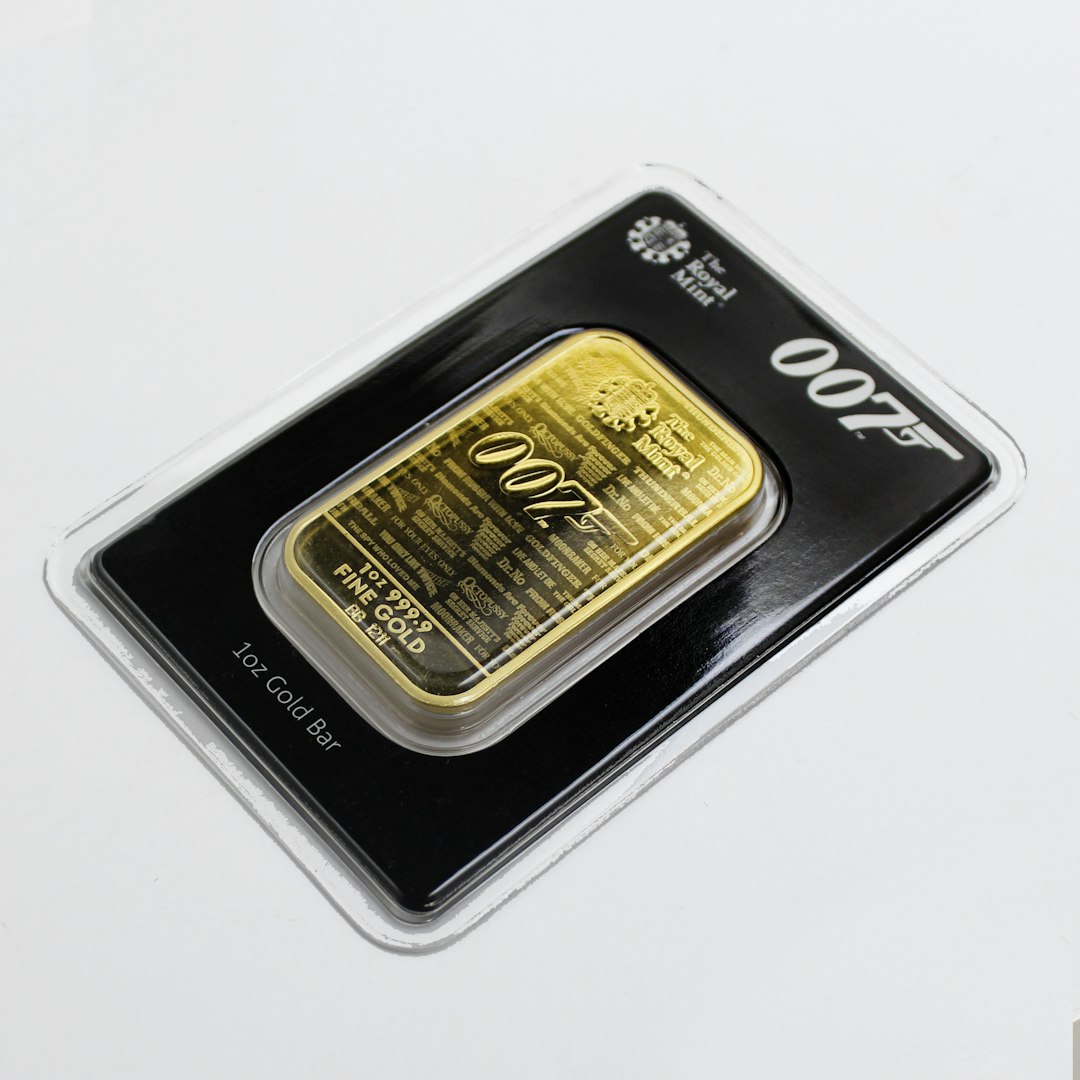
Gold: monetary uncertainty and preservation
Gold is often viewed as a potential store of value during periods of inflation concerns, geopolitical instability and uncertainty about monetary policy.
Its outlook is closely tied to real interest rates, currency movements, investor demand and central-bank activity.
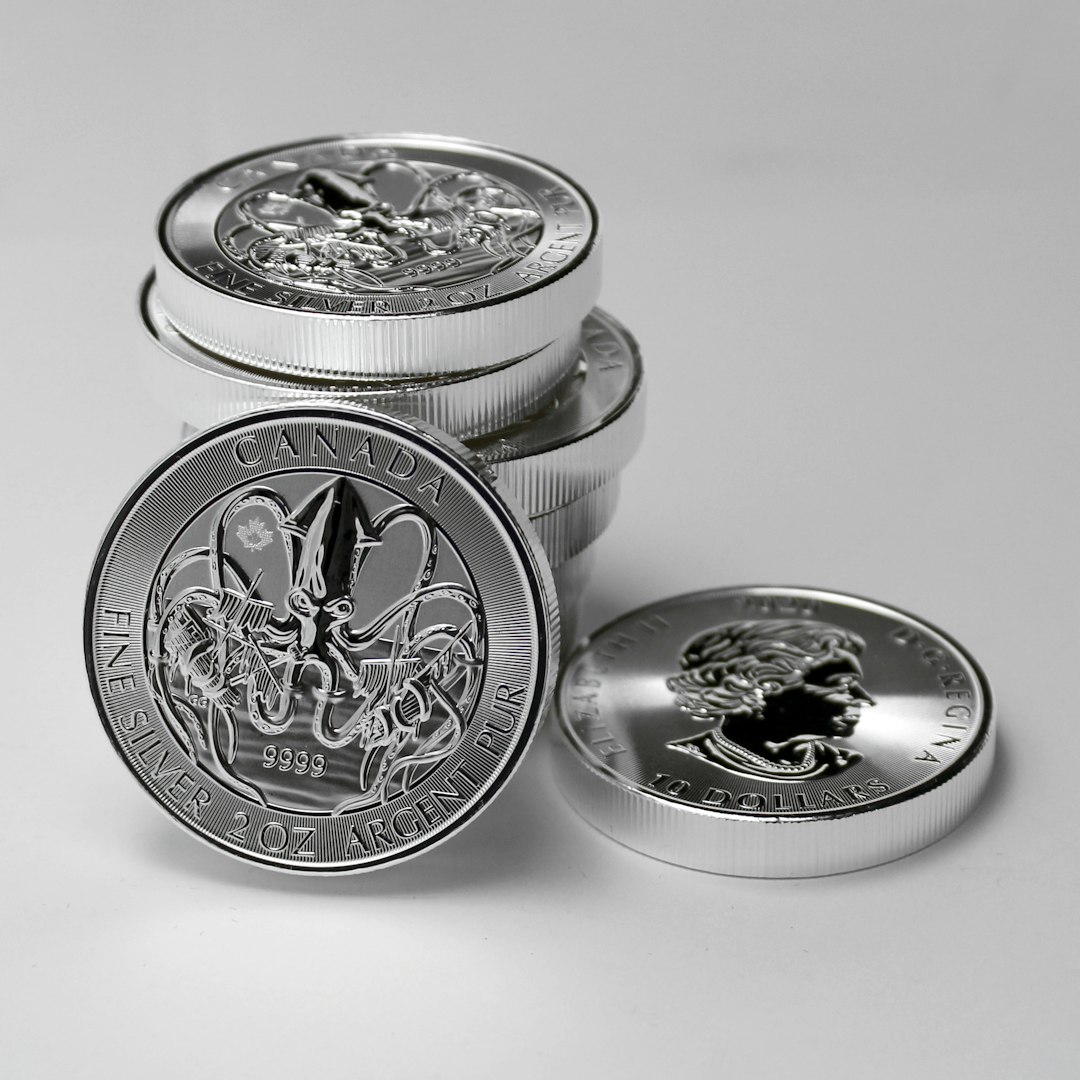
Silver: monetary demand and industrial activity
Silver has both precious-metal and industrial characteristics. Its demand is influenced by investment interest as well as industrial uses, including electronics and solar technology.
This makes silver particularly sensitive to changing expectations for economic growth and industrial demand.
If inflation remains elevated while economic growth slows, gold may attract investors seeking protection against uncertainty. Silver, however, could face competing pressures if industrial activity weakens.
If economic growth remains resilient and industrial demand holds up, silver could respond differently from gold.
Neither metal is guaranteed to outperform the other. Their different demand drivers are precisely why they should not automatically be treated as interchangeable investments.
What business owners should watch in the coming months
For entrepreneurs, precious metals are only one part of a much larger financial picture.
A higher-rate environment can affect the cost of financing, the return on cash reserves, the valuation of investments and the economics of business expansion.
Key factors that could influence gold and silver
Business owners should also consider liquidity. A business may need cash for payroll, taxes, inventory, debt payments or unexpected expenses. Precious metals can fluctuate significantly in value and do not generate regular income.
An allocation to metals should therefore be considered in the context of the owner’s overall financial plan, rather than as a substitute for operating cash or emergency reserves. You can also review our FAQs for more information about Prosperity Pathway and our approach.
The outlook: inflation may matter more than the rate hike itself
The Fed’s decision introduces a clear challenge for precious metals: higher rates can increase the opportunity cost of holding gold and silver, but persistent inflation and geopolitical uncertainty can strengthen the reasons investors hold them.
My perspective is that the interaction between inflation, oil prices and real interest rates will be more important than the rate hike in isolation.
If energy prices remain high and inflation proves difficult to contain, gold could continue to attract interest as a potential store of value, even in a higher-rate environment. Silver could benefit from precious-metal demand, but its industrial exposure adds another layer of uncertainty.
If inflation moderates and real yields rise, both metals could face pressure, particularly if the U.S. dollar strengthens.
The important point for business owners is not to assume that a Fed rate hike settles the direction of gold and silver. It changes the conditions under which they trade.
The next phase will depend on whether the Fed’s tighter policy can bring inflation down, and whether the forces driving inflation—especially energy costs—begin to ease.
Frequently asked questions
Does a Fed rate hike make gold prices go down?
Not necessarily. Higher interest rates can pressure gold by increasing the appeal of interest-bearing investments. But if inflation expectations rise faster than nominal rates, real yields may fall, potentially supporting gold.
Is gold a good hedge against inflation?
Gold is sometimes used as a long-term store of value and a potential inflation hedge. However, it does not track inflation consistently over short periods, and its price can decline even when inflation is high.
Why do oil prices affect gold and silver?
Higher oil prices can increase inflation and economic uncertainty. This may support demand for precious metals, although the resulting monetary tightening and stronger dollar can create opposing pressures.
Is silver more sensitive to economic growth than gold?
Generally, yes. Silver has substantial industrial uses in addition to investment demand, so expectations for manufacturing, technology and industrial activity can influence its price.
Should Canadian investors consider USD/CAD when investing in gold?
Yes. Because gold is generally priced internationally in U.S. dollars, exchange-rate changes can affect its Canadian-dollar value and the returns of Canadian investors.
Exploring Investment Opportunities?
If you are a business owner or investor exploring private-market opportunities, capital needs or strategic connections, Prosperity Pathway can help open the door to relevant conversations.
Disclaimer
This article is for educational and informational purposes only and does not constitute investment, financial, tax or legal advice, or a recommendation to buy or sell any security or commodity. Precious metals can be volatile and may not be suitable for every investor. Consider your financial objectives, risk tolerance, liquidity needs and overall portfolio before making investment decisions. Consult qualified professionals for advice specific to your circumstances.